Wheels & Roadside Notebook

Short pieces put together between callouts by the Swift Tyres Recovery crew. No manufacturer press releases, no padding — just the questions drivers actually ask us at the kerbside.

Watch first: a two-minute tyre once-over

Pressures cold, tread across all three bands, sidewalls front and back, and the inner shoulder with the wheels on full lock. Do it monthly and you will catch nearly everything before it turns into a recovery call.
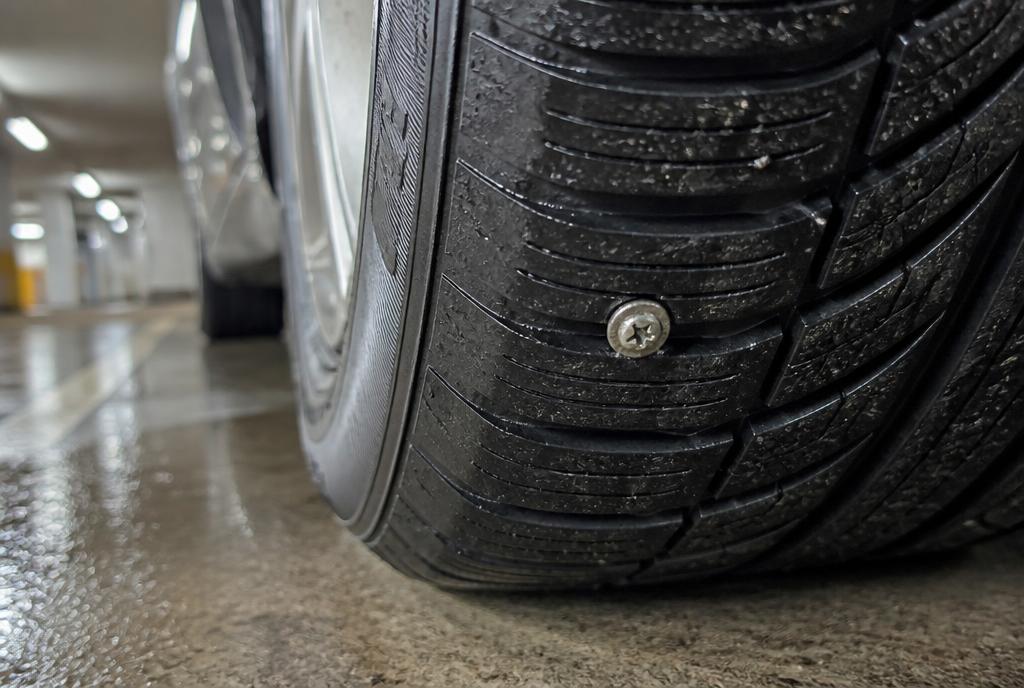
Roofing screw stuck in the tread of a car tyre

Repairable or scrap? The rule most drivers get wrong

There is a defined repair area on every tyre — roughly the middle three quarters of the tread. Anything punctured inside that band, up to 6mm across on a car tyre, can legally be taken off the rim, plugged and patched from the inside and put back into service for the rest of its life.

Step outside that band and the answer changes fast. Shoulder and sidewall damage is never repairable, because the rubber there flexes on every single revolution and no patch survives it. Same story if the tyre has already been driven flat: the inner liner shreds itself and you will see grey dust when we break the bead.

External string plugs pushed in at the roadside without removing the wheel are not a fix. They seal the hole for a while and hide the fact that nobody inspected the inside. We take the wheel off every time, look at the liner, then decide.

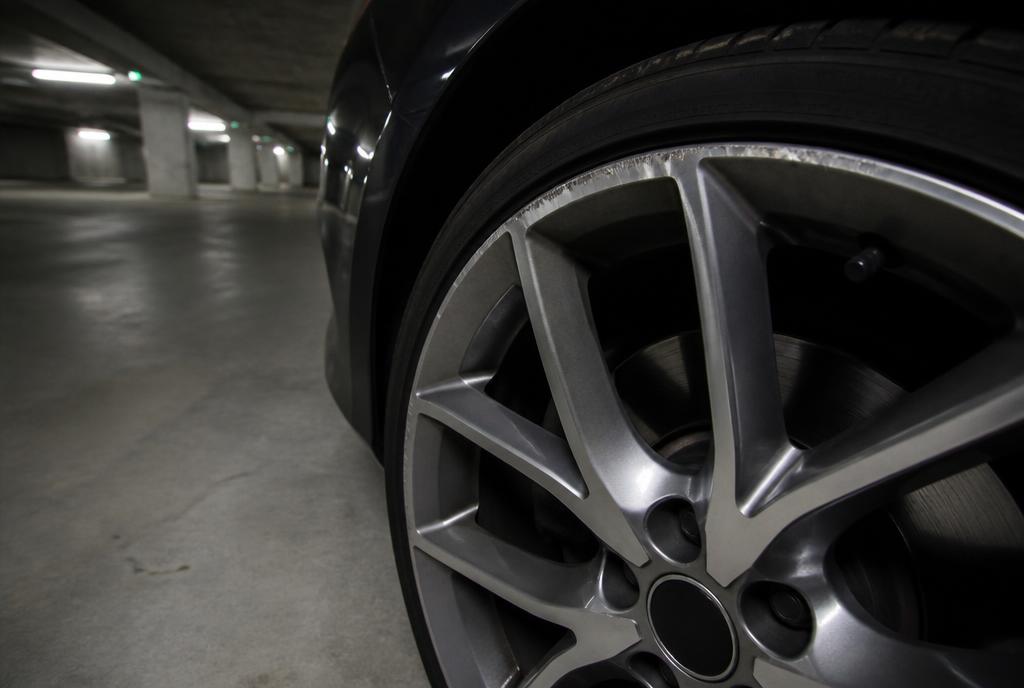
Scuffed alloy wheel on a car in a concrete car park

Kerb damage: cosmetic scrape or a leak in the making

A scuff along the face of an alloy is paint and metal — annoying, and worth refinishing before it corrodes, but harmless to drive on. The one that matters is damage on the very lip where the tyre bead seats.

Bend or gouge that lip and the seal stops being airtight. It rarely goes down overnight; instead you lose four or five psi a week, top it up, forget about it, and the underinflated tyre quietly cooks its own shoulders.

Quick self-test: if one corner keeps needing air but nobody can find a nail, it is almost certainly the rim. We can strip, reseal and refinish it on site rather than send the wheel away for days.

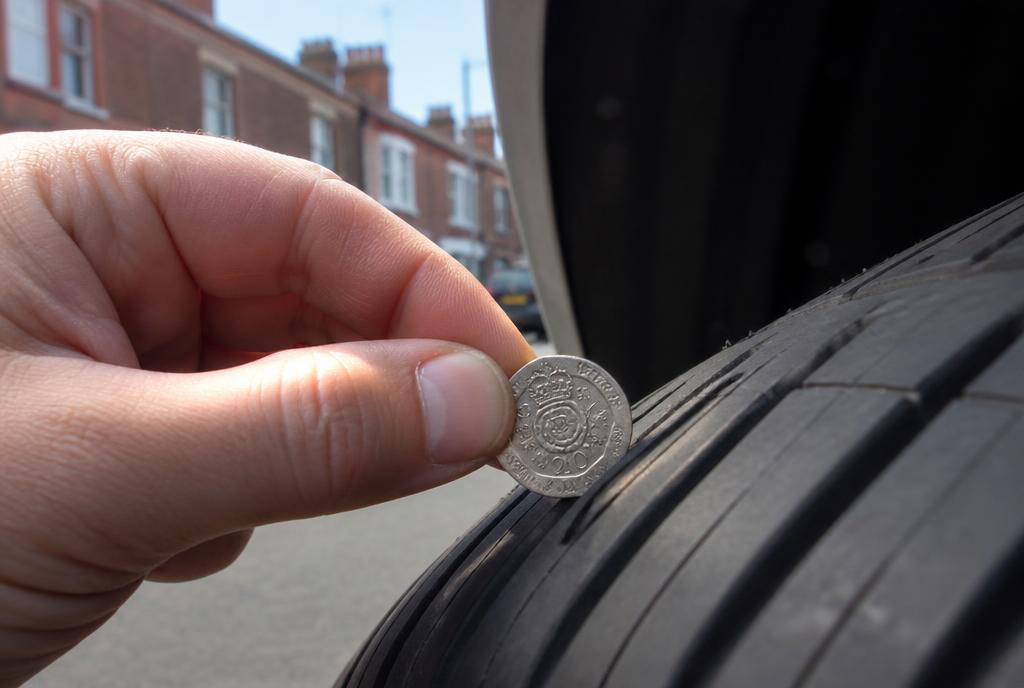
A 20p coin being pressed into a tyre tread groove

Four numbers on the sidewall that beat tread depth

The legal minimum is 1.6mm across the central three quarters, and a 20p is the pocket check — if the coin's outer band disappears into the groove you still have margin, if it stays visible you are shopping for tyres.

Depth alone is not the whole picture though. Find the four-digit DOT code on the sidewall: 2621 means week 26 of 2021. Rubber hardens with age whatever the mileage, and past six or seven years wet grip falls off a cliff even on a tyre that looks nearly new.

Low-mileage cars that mostly sit parked are the ones this catches. Plenty of the sets we replace still have 5mm of tread and are simply too old to stop properly in the rain.

Unsure what you are looking at? Send a photo over WhatsApp and we will tell you honestly whether it needs a repair, a replacement, or nothing at all. Safety checks cost nothing.